
Panama's
Unwanted Children
In 1941, Panama rewrote its constitution to strip citizenship from Panamanians of West Indian descent, the descendants of workers whose labor had helped build the Canal and the nation.
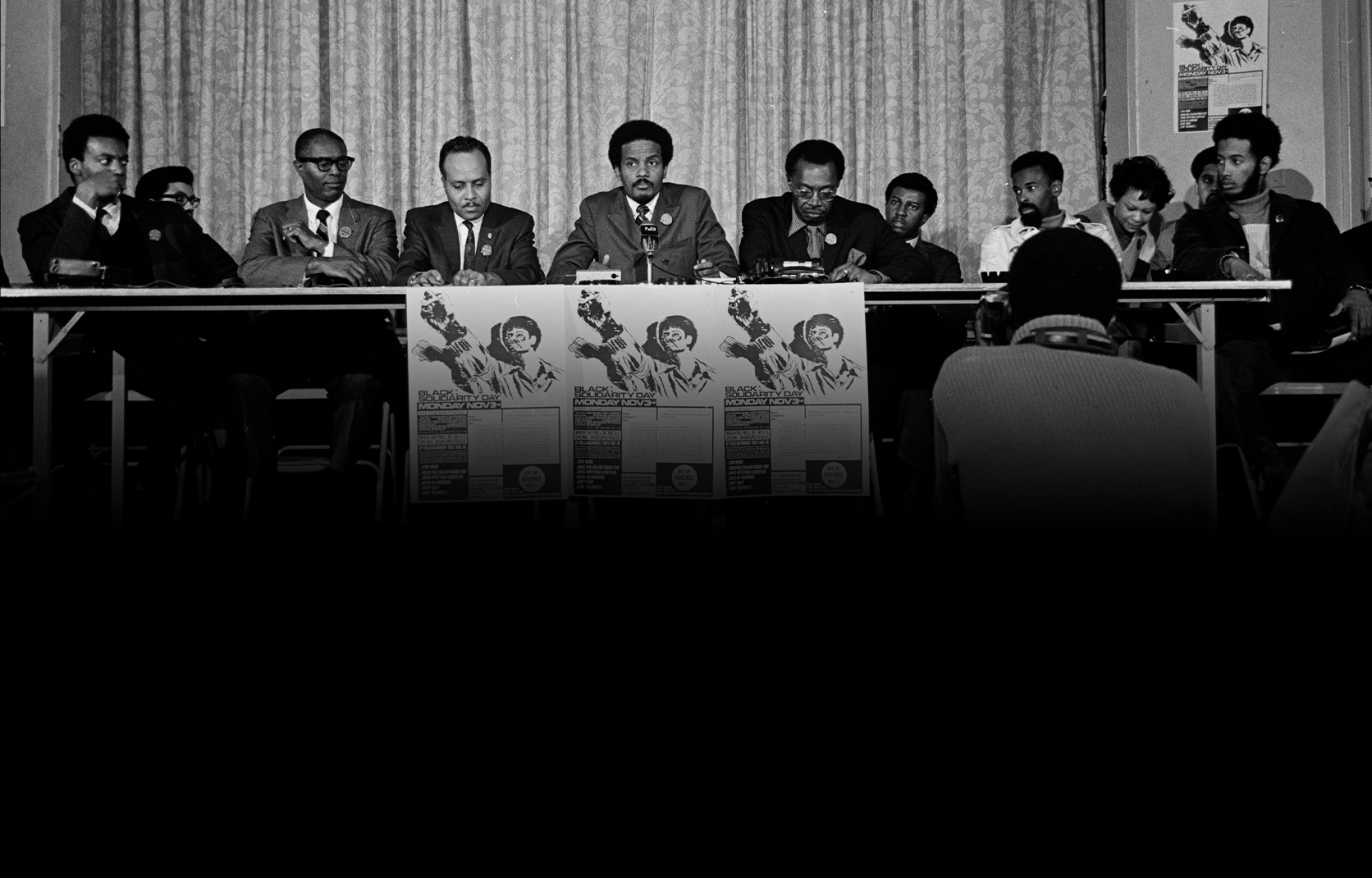
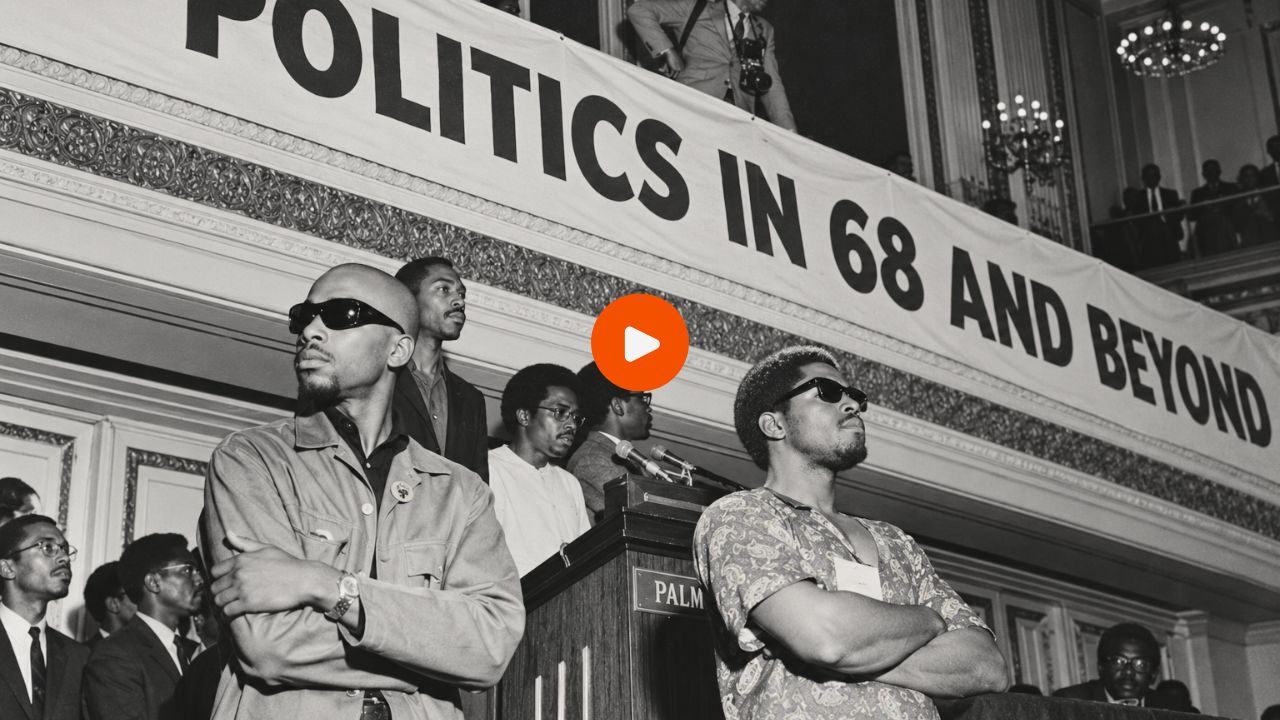
Two men spent their lives answering that exile. George W. Westerman was a journalist and diplomat who challenged the racial order of the U.S.-controlled Canal Zone and carried Black workers' demands from Panama to Washington and into Congress. Carlos E. Russell was a Brooklyn-based radical who galvanized and led the Black Caucus of the National Conference for New Politics, forging a new Afro-Caribbean Panamanian identity from inside one of the most volatile decades in American political life.
A Black World
Without Borders
From Panama to Brooklyn, Colón to Harlem, Westerman and Russell moved through a Black political and cultural world that crossed national borders.
Westerman worked alongside W.E.B. Du Bois, Adam Clayton Powell Jr., and Thurgood Marshall, while Russell moved through Black Power organizing in New York, advised Martin Luther King Jr.'s Poor People's Campaign, interviewed Malcolm X, and stood with Angela Davis and Amiri Baraka.
THE MEN AT THE CENTER
George W. Westerman (left)
Journalist. Diplomat. Nation-builder.
Through The Panama Tribune, the Westerman Concerts, and a UN appointment that drew the attention of HUAC, Westerman met exclusion with strategy, using culture and media as instruments of political power.
Carlos E. Russell (right)
Organizer. Educator. Cultural force.
He was Associate Editor of Liberator, taught future Young Lords, and founded Black Solidarity Day. Russell worked through urgency, confrontation, and direct action.
ENTER THE WORLD
Watch the Sizzle
COMING SOON
DIRECTOR'S STATEMENT
I didn't grow up knowing I was living inside this story.
SUPPORT THE FILM
Join Us in Bringing Panama in Black to the Screen
Currently in advanced development and early production.
For the past eight years, I’ve been building this film piece by piece—through archival research, interviews, production, and the support of people who believe in the story and want to help bring it to the screen.
Every contribution moves the film forward.
GIVE ONLINE
Make a secure, tax-deductible contribution through our 501(c)(3) fiscal sponsor, the Center for Independent Documentary.
DAF, WIRE, OR ACH
Contact team [at] panamainblackfilm.com for giving instructions.
GIVE BY CHECK
Center for Independent Documentary Memo: Panama in Black PO Box 95216 Newton, MA 02495
© Panama in Black Film LLC | All Rights Reserved